Love Gnosall | A-Z of Help & Advice
Carbon Monoxide



Carbon monoxide is a silent and potentially deadly threat that can occur in any home. Here, you will find essential information and advice to keep your household safe from this invisible danger.
Carbon monoxide (CO) is a colorless, odorless gas produced by the incomplete combustion of carbon-based fuels, such as gas, oil, coal, and wood. It is toxic and can be lethal when inhaled in high concentrations. Common sources of CO in homes include gas boilers, heaters, stoves, and fireplaces.
Recognizing the symptoms of CO poisoning is crucial for early detection and prevention. Common signs include:
If you or your family members experience these symptoms and suspect CO poisoning, seek immediate fresh air and medical attention. CO poisoning can be fatal if not treated promptly.
To protect your home and loved ones from CO poisoning, follow these important safety measures:
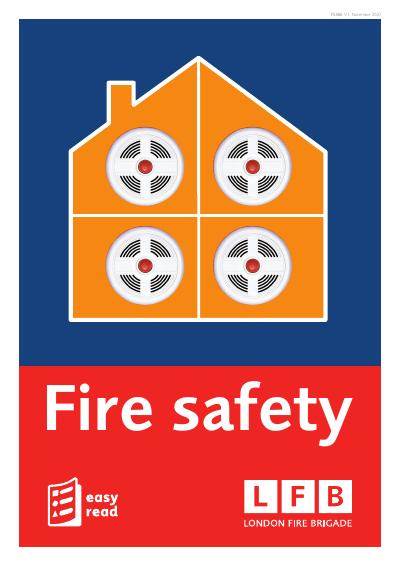
A comprehensive fire safety leaflet covering home fire prevention, including smoke alarms, smoking safety, electrical fire prevention, heating safety, and emergency procedures. The guide provides practical advice on recognizing fire hazards and responding to fires in the home.
The very last train on the Shrewsbury to Stafford railway line stopped at Gnosall Station on the 6th September 1964 at 9.40pm.
You don’t need an account — all feedback is anonymous unless you add your name or email.