Love Gnosall | A-Z of Help & Advice
NHS Services



When you or your family need NHS help, it can be hard to know where to start - especially if you are trying to do the right thing and not waste anyone's time. Here is a simple guide for people in Gnosall to help you choose the right NHS service, plus the official links you can trust.
The NHS website has a handy overview of services, including GP, pharmacies, dentists, opticians, urgent treatment, and hospital care. If you are unsure what you need, start here:
You can also use the NHS service search to find local options (for example, GP surgeries, pharmacies, dentists and hospitals) by postcode:
It is easy to leave teeth and eyes until they become a bigger problem. These pages explain how NHS dental care and sight tests work, including how to find a provider:
If you are dealing with prescriptions, repeats, or medicine questions, pharmacies and the NHS App can also help you stay on top of things:
The NHS is for healthcare, but sometimes you also need practical support around care, wellbeing, and daily life. These official local links can be useful starting points:
An Age UK information guide covering common bladder and bowel problems in older people, including how these systems work, types of problems, medical treatments, self-management strategies, and available support services.
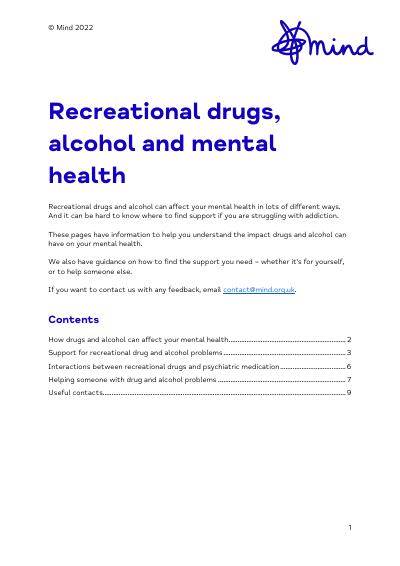
A Mind leaflet explaining how recreational drugs and alcohol affect mental health, the potential for developing mental health problems through substance use, and guidance on finding support for addiction and substance use issues.
563 child evacuees arrived in Gnosall on the 2nd June 1940, after being evacuated from schools in Margate and Ramsgate in Kent.
You don’t need an account — all feedback is anonymous unless you add your name or email.