At first glance, it is easy to miss.
A small, plain structure. Solid. Quiet. Almost apologetic in its presence. But the old lock-up in Gnosall was never meant to be admired. It was built to contain - to impose order, swiftly and without ceremony, in a time when the village could not always keep hold of its own.
Why It Was Built: Disorder at the Edges of Progress
The early 19th century was not as tranquil as the modern village might suggest.
With the arrival of the Shropshire Union Canal, Gnosall found itself on a working route of trade and labour. Alongside the boats came men - navvies, labourers, itinerant workers - many honest, some less so, all transient.
Records and local histories suggest that by the 1830s, there was enough concern about disorder, drunkenness, petty theft, and occasional violence, that the parish required somewhere to hold offenders temporarily.
Not a prison, in the formal sense.
More a pause. A cooling-off space. A place to sober up - or await the constable’s next decision.
And so, the lock-up was built. Originally located fairly close to the canal on Station Road, it was designed and built by James Trubshaw in 1830 to detain anyone who was causing trouble in the village. It was also a convenient cell for local rioters during the Swing Riots affecting England during the same era. At that time, the widespread uprising by agricultural workers was becoming a problem, and the village was affected by poaching and unrest.
A Night in the Lock-Up
Imagine a winter evening, somewhere around 1835.
A lantern swings in the cold air. The constable - part-time, local, known to everyone - guides a reluctant drunken figure to the door of the lock-up.
“You’ve had enough, Will.”
“I’ve done nowt wrong, constable (hic)…”
“You’ve done enough. In you go - sleep it off.”
The door closes with a heavy, final thud.
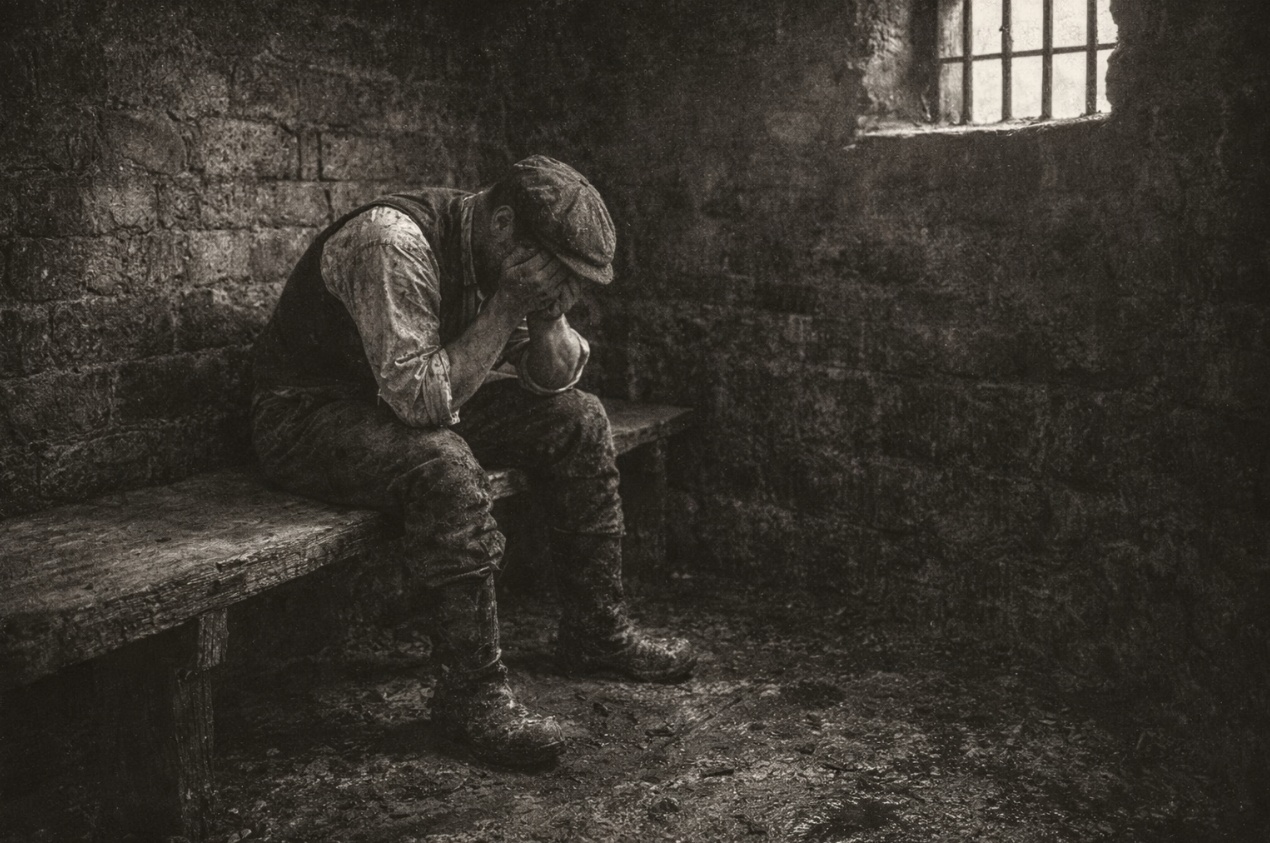
Inside, conditions were stark:
- Bare stone or brick walls
- Minimal ventilation
- No comfort to speak of
- A bench
These lock-ups were designed to be secure, not humane. Time inside was short - usually overnight - but it was meant to be unpleasant enough to discourage a repeat visit.
The Building Itself: Simple, Functional, Unyielding
Village lock-ups across England followed a similar pattern, and Gnosall’s is no exception:
- Thick brick or stone walls
- A single heavy door
- Small openings or grilles for air
- No windows in the modern sense
Everything about it says permanence. Containment. Finality.
It was not built to impress. It was built to hold firm against both people and time.
And in that respect, it has succeeded.
Justice, Local and Immediate
Before modern policing, justice in villages like Gnosall was immediate and personal.
There were no custody suites, no formal booking systems. Instead:
- A constable or parish officer would intervene
- The individual would be placed in the lock-up
- By morning, a decision would be made: release, fine, or transfer
It was a system built on practicality rather than procedure.
And yet, it relied heavily on reputation. Everyone knew everyone. A night in the lock-up was not just punishment, it was public knowledge.
Whispers in a Small Space
Unlike grand castles or ancient halls, the Gnosall lock-up carries no widely documented ghost stories in official records.
But small buildings have a way of holding sound and memory.
Stand near it on a quiet evening, and it is not difficult to imagine:
- A restless shuffle inside
- A muttered complaint against cold walls
- The dull knock of a boot against the door
Or perhaps just the wind.
Still, one can’t help but wonder how many voices passed through that confined space, how many brief moments of anger, regret, or defiance lingered in its walls.
“Let me out, then…”
“In the morning.”
“Morning’s a long way off.”
A Symbol of Its Time
The lock-up is not grand. It tells no sweeping story of kings or battles.
But it speaks, quietly and persistently, of something more grounded:
- A village adapting to change
- The strain of new industry and movement
- The need for order in uncertain times
It stands as a reminder that history is not only made in great events, but in small decisions, made locally, under pressure.
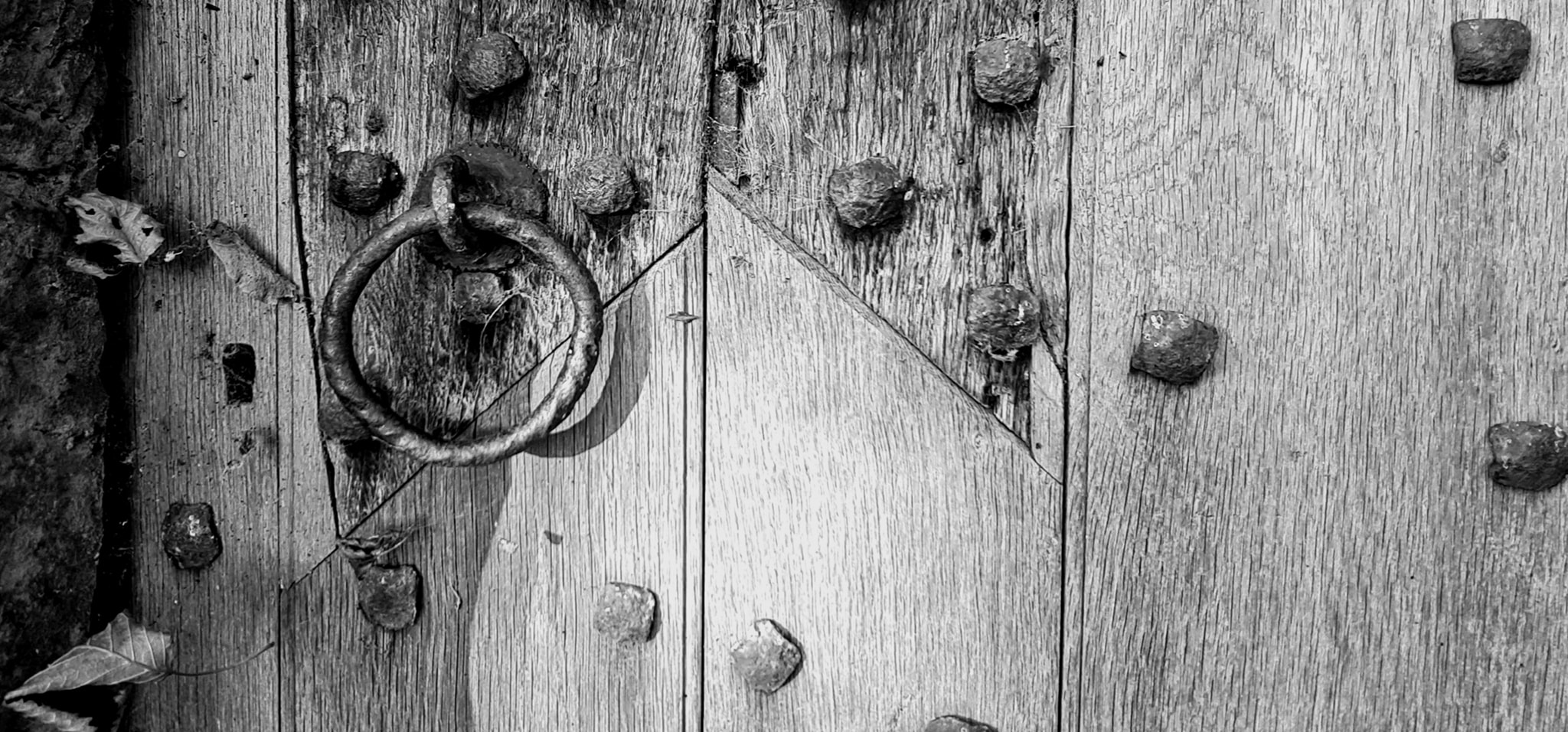
The original wooden door to Gnosall Lockup - still in place today
Today: Quiet, But Not Empty
Today, the Gnosall lock-up no longer serves its original purpose. It stands instead as a fragment of the past, often overlooked, occasionally noticed, but always present.
A modest building, carrying the weight of countless short nights and longer memories. The lock-up was moved from its original position to the corner of Selman Street after a lorry crashed into the building in the mid-1960s, funded by the Gnosall WI (Women's Institute). It was resurrected in its former glory in 1971.
And if you pause beside the lock-up, just for a moment, you might sense what it once was:
Not a relic, exactly - but a place where the village bobby once drew a firm line and said,
“That’s enough for tonight.”